Kotagede is well known as a historic area in Yogyakarta and the former center of the early Mataram Islamic Kingdom. In addition to its rich history and cultural heritage, Kotagede also offers a variety of traditional foods that are deeply rooted in local traditions and philosophical values. Below are five traditional foods of Kotagede that are worth trying when visiting this area.
Therefore, do not miss the opportunity to experience these traditional delicacies firsthand by visiting us and enjoying the authentic flavors that have been preserved from generation to generation.
1. KipoKipo is the most well-known traditional snack from Kotagede. This traditional cake is made from rice flour, coconut milk, and pandan leaves, with a filling of grated coconut and palm sugar. It is grilled on banana leaves, creating a distinctive aroma. The texture is chewy with a sweet and rich flavor, making it a favorite among visitors.
2. LegomoroLegomoro is similar to lemper but has its own unique characteristics. It is made from glutinous rice filled with seasoned chicken, wrapped in banana leaves, and tied with bamboo strings. Legomoro is commonly served during traditional ceremonies or family gatherings, reflecting the strong sense of togetherness in Kotagede’s culture.
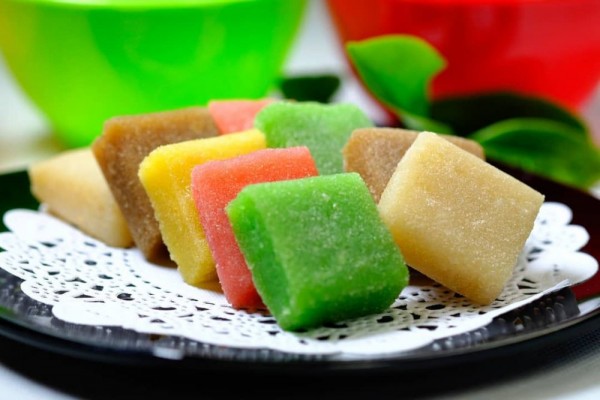
3. YangkoYangko is a sweet snack made from glutinous rice flour with a chewy texture similar to mochi. It is filled with a mixture of peanuts and sugar, and coated with flour to prevent sticking. Yangko is often chosen as a typical Kotagede souvenir due to its long shelf life and distinctive taste.
4. Kembang WaruKembang waru is a traditional cake shaped like a waru flower. It is made from a mixture of flour, eggs, sugar, and coconut milk, resulting in a soft texture and sweet flavor. In the past, kembang waru was served as a special treat for royal guests, giving it high historical value.
5. Jadah Manten
Jadah manten is a traditional glutinous rice dish commonly served at traditional Javanese wedding ceremonies. It has a dense and chewy texture with a savory coconut milk flavor. This dish symbolizes unity and harmony in married life, holding deep philosophical meaning for the people of Kotagede.